
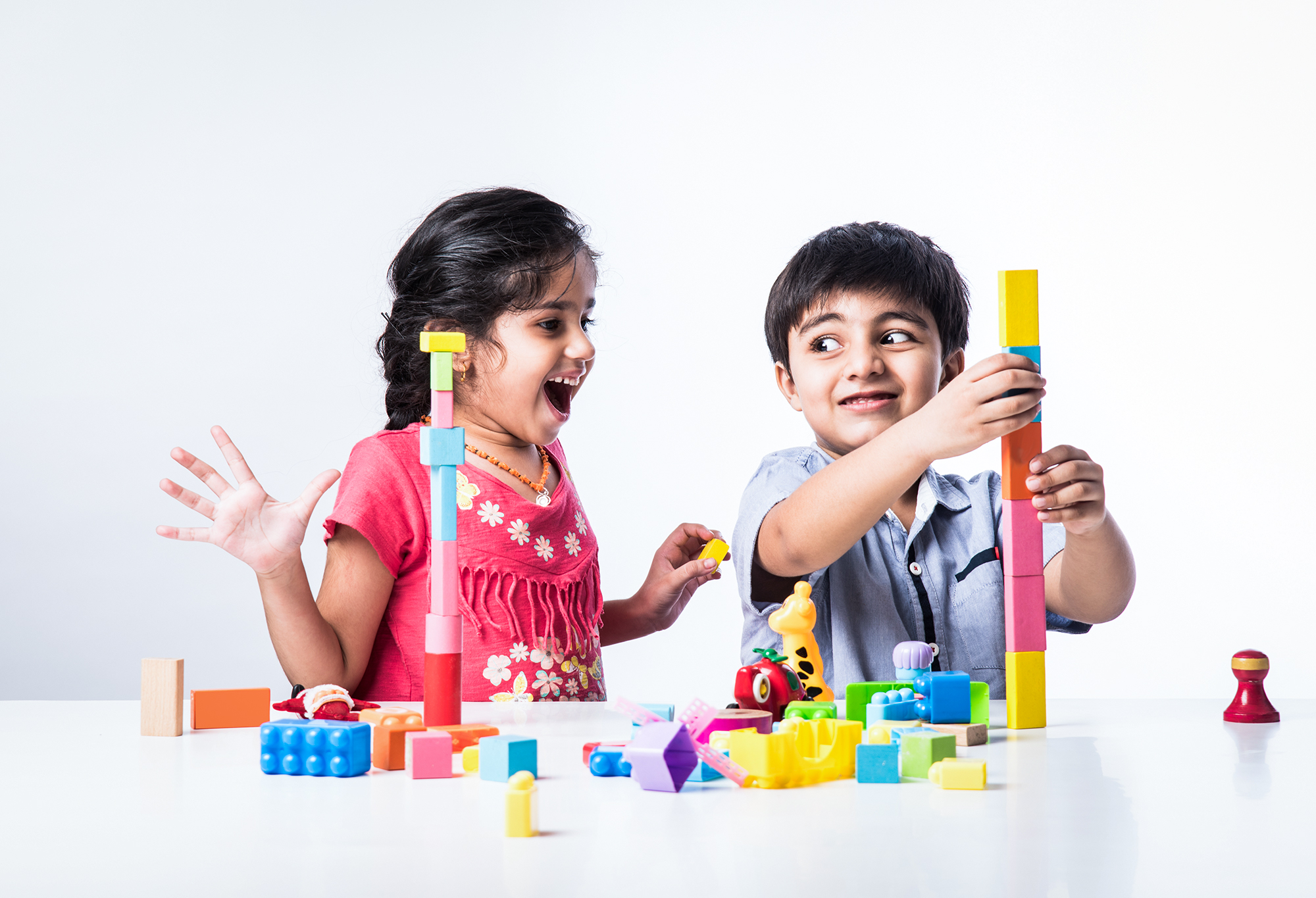
A child’s school experience cannot be measured only by what happens during Mathematics, Science or Languages.
Ask children what they remember most about school, and their answers are often different: the first time they performed on stage, representing their school in a tournament, building something with friends, going on a field trip, winning a competition, or simply discovering something they were good at.
At DPS Hinjawadi, student life is intentionally designed to create more of these experiences. For parents comparing schools in Hinjewadi, the important question is therefore not only “What activities does the school offer?” but “How often does my child actually get to participate?”
Why What Happens Outside Class Matters Just as Much
Academic rigour matters. But children also need spaces where marks are not the only measure of success.
A football field teaches teamwork differently from a classroom. Theatre develops confidence and expression. Chess demands patience and strategy. A science club can turn curiosity into experimentation. Financial literacy helps students connect Mathematics with everyday decisions.
This is why child development cannot be separated neatly into academic and non-academic boxes.
At DPS Hinjawadi, these experiences are woven into school life through Tejas sports, Tarang clubs, competitions, field experiences, student leadership, performances, Bagless Days and other school initiatives.
The objective is not to keep children “busy”. It is to help them discover interests, practise consistently, work with others and gradually build confidence and competence.
Clubs at DPS Hinjawadi – Where Interests Become Skills
One of the most visible parts of student life at DPS Hinjawadi is Tarang, the school’s club programme.
Students get exposure to different areas rather than every child being expected to shine in the same space. A child who is quiet in a conventional classroom, for example, may discover a completely different side of themselves through art, technology, music or theatre.
| Area | Clubs/Activities | What Students Develop |
| Arts & Expression | Abhivyakti, Nrityashakti, Brush & Beyond, Rhyme & Rhythm | Expression, creativity, stage confidence and collaboration |
| STEM | Tech Titans, Science Squad, Number Ninjas | Problem-solving, experimentation, logical thinking and curiosity |
| Language & Communication | Wordsmiths’ | Writing, vocabulary, communication and creative expression |
| Life Skills | Financial Literacy, Geeta Gyaan | Decision-making, values, practical understanding and reflection |
| Community & Environment | Eco Minions, Pawsitivity | Empathy, environmental consciousness and responsible citizenship |
| Sports | Tejas and competitive sporting opportunities | Fitness, discipline, teamwork, resilience and sportsmanship |
What makes sustained participation valuable is progression. Children are not merely attending an activity once; they get opportunities to practise, create, collaborate and eventually show what they have learnt.
This becomes visible during initiatives such as Making Learning Visible (MLV), where learning from different areas can be shared with parents.
Sports at DPS Hinjawadi – Physical Development Taken Seriously
Sports at DPS Hinjawadi is not restricted to an occasional PE period or Sports Day.
Through Tejas, students receive structured sporting exposure and coaching. Football, cricket, basketball, skating, gymnastics, chess and archery are among the sporting opportunities available within the school ecosystem.
But participation does not necessarily end at the campus gate.
Students are encouraged to come forward for selections for external sporting platforms. Depending on the competition and age group, DPS Hinjawadi students get opportunities across football, basketball, cricket, athletics, badminton, table tennis, swimming, yoga, skating, chess, archery, gymnastics, karate, handball, netball, rifle shooting and other disciplines.
Importantly, expressing interest does not automatically mean selection. Students need to approach coaches, demonstrate their ability and earn their place.
That itself is a valuable lesson.
Representing the school then adds another layer, handling competition, learning from wins and losses, travelling as a team and understanding responsibility.
For parents looking at sports facilities in schools, therefore, infrastructure is only one part of the picture. What matters equally is whether children are actually being coached, selected and given opportunities to compete.
Events, Initiatives and Happy Practices at DPS Hinjawadi
School life also needs moments that children simply look forward to.
Throughout the year, students participate in celebrations, showcases, performances, special assemblies, educational visits, inter-house and inter-school opportunities and larger school events.
Bagless Days provide another break from the conventional timetable. Through Jigyasa for Grades 3-5 and Chetna for Grades 6—8, students spend time on experiences, activities and exploration rather than following a regular textbook-and-notebook school day.
There are also opportunities designed around individual interests. A singer may aspire to reach the Voice of DPSH stage. A performer may represent the school in music, dance or drama competitions. A sports enthusiast may prepare for an external tournament. Another learner may prefer an Olympiad, reading challenge, science activity or art competition.
The school year therefore doesn’t feel like one long sequence of lessons and examinations.
What are “Happy Practices”?
Happy Practices are the small, intentional routines that make school more human. They create opportunities for students to connect, express themselves, reflect and begin or conclude experiences positively. Practices such as Samurja and Closing the Loop help ensure that a school day is not only about completing portions, it is also about how children experience their learning and relationships.
Olympiads, Competitions and Opportunities Beyond School
Some children thrive when they are given an additional challenge.
DPS Hinjawadi facilitates participation in platforms such as SOF Olympiads, NMTC, Dr. Homi Bhabha Balvaidnyanik Competition, drawing examinations and reading challenges, along with sporting and performing-arts competitions.
These opportunities serve different children differently.
An Olympiad may challenge a learner academically. A reading competition can encourage deeper engagement with books. An art examination gives a young artist a formal platform. A music or theatre competition builds confidence under pressure. A sports tournament tests skills in a completely different environment.
The purpose is not for every child to participate in everything. It is to create enough different doors for children to discover which ones they want to open—an approach that makes DPS Hinjawadi a compelling choice for parents considering CBSE schools in Hinjewadi.
A Year in Student Life – What Can a Child Look Forward To?
No two academic years are identical, but a typical year at DPS Hinjawadi can include experiences such as these alongside regular academics:
| Period | What School Life May Include |
| June | New-session activities, club and sports engagement, student leadership opportunities |
| July | Student Council, competitions, Bagless Day experiences, academic enrichment |
| August | Independence Day, Grandparents’ Day, field trips, MLV, sports selections, reading and performing-arts opportunities |
| September–October | Olympiads, external competitions, examinations, festivals and enrichment activities |
| November–December | Sports, clubs, performances, competitions and experiential learning |
| January–February | Major school events, showcases, performances and sporting opportunities |
| March | Reflection, culmination of learning and transition towards the next academic journey |
The exact calendar evolves every year—and that is part of what keeps school life dynamic.
Beyond a Long List of Activities
When parents compare school clubs and activities or search for a co-scholastic activities programme, it is easy to count facilities, clubs and competitions.
But quantity alone does not create a meaningful student experience.
The more important questions are:
- Does my child get to participate?
- Can they discover what they enjoy?
- Can they improve at it?
- Can they showcase it?
- Can they take that interest beyond school when they are ready?
That is what DPS Hinjawadi attempts to create through its clubs, sports, events, competitions and Happy Practices. For parents evaluating the top CBSE schools in Pune, these opportunities can be an important part of understanding the overall student experience.
Because some of the most important moments in a child’s education may happen after the textbook has been closed. Parents planning ahead can also learn more about the DPS Hinjawadi EOI 2027-28 and the admission process.
